Style Me Like One of Your Tokyo Girls
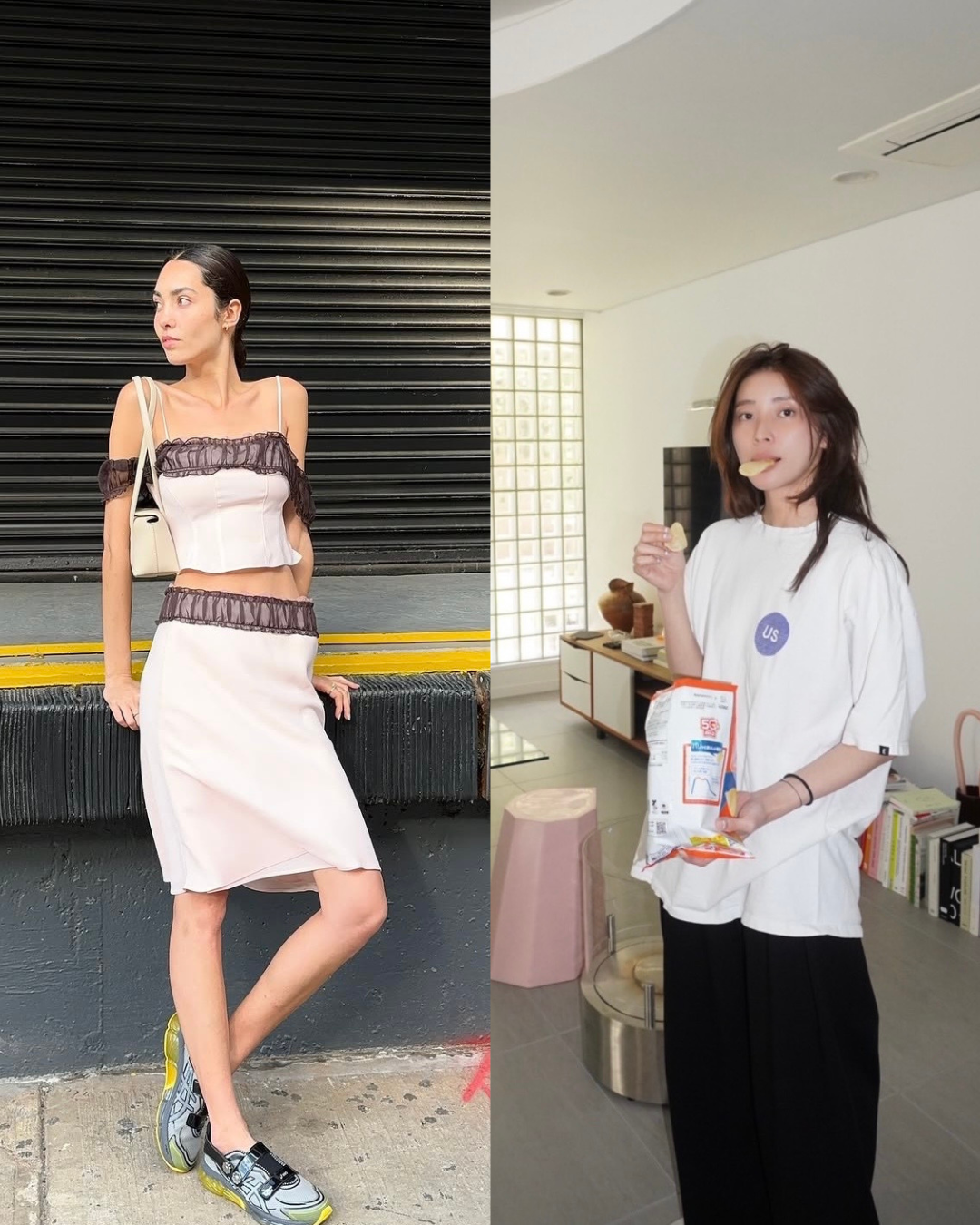
PC: @marikaota & @reikayoshida_
Working in the fashion industry makes me feel as though I live a double life. There’s the corporate-facing side, where I pretend to know anything about French girl makeup and listen to Charlie XCX. And the authentic side, which grew up on Japanese magazines, New York-coded R&B music, and summers in Tokyo.
Over the years, the two have gotten muddled, and it’s become harder to distinguish what’s real and what’s an attempt to appeal to the industry—a sort of identity crisis ensued. But since leaving the office and returning to freelance writing, I’ve been slowly but surely getting back to my roots—embodying my childhood self and remembering what inspires me, what doesn’t.
Fashion has an obsession with Parisian girls, that’s a fact. Back at InStyle, the stories that performed best were the ones that started with “I’m an American writer living in Paris, these are the tktktk…” In an attempt to mimic its success, we’d weave in the words “Parisian girls” and “Parisian fashion” wherever it deemed fit (even if only slightly).
Even now, as I scroll through Substack, there are endless stories working to “decode” the Parisian style. I, too, for good SEO purposes and a hope for more clicks, have written about French fashion.
It makes sense, given the city’s influence on fashion at a global scale. It’s not just the high-end designers like Dior and Chanel, but the seemingly elusive je ne sais quoi of the everyday French woman that instantly piques a reader’s interest.
But if I’m being honest, I was never particularly influenced by French fashion. I see it, I like it, and respect it, but it’s not something that looks good on me. My skin, my face, my body… even my aura; none of it gives “French girl”. Every trip I’ve taken to Paris (and mind you, I lived there for a combined four months) has left me feeling a bit displaced, at least in terms of its fashion. And while I’d try my best to find exciting pieces to take home, I’d often leave empty-handed. Tweed, ruffles, and cherry patterns are not for me, it seems.
I did not grow up on Western media. My introduction to fashion was glossy Japanese magazines. I read Vivi and Seventeen Japan and yearned to wear leg warmers with loafers and mini skirts. I wanted to look like Yui Aragaki in Doragon Zakura (below, right). And on Saturdays at Japanese school, I idolized the cool senior girls who wore all black and had bedazzled phone chains.
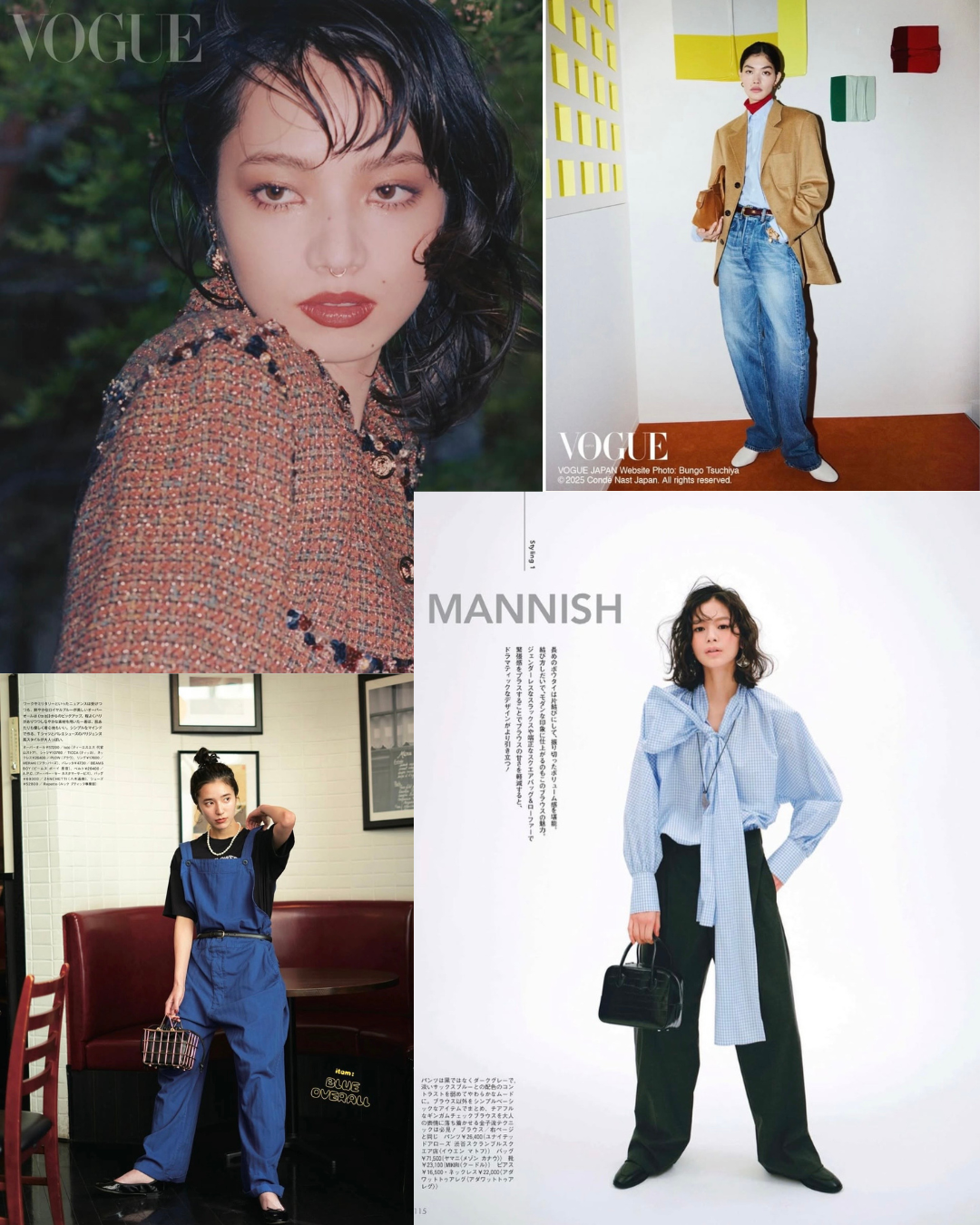

Yui Aragaki in Doragon Zakura
I watched Japanese television, pre-recorded onto a videotape in Japan by my aunt, who shipped everything over to us. Even American movies were watched in their Japanese dubbed versions. So yes, at 8 years old, I genuinely believed Harry Potter was a Japanese movie.
I was lucky to be so sheltered. Wherever I went, I’d find my community of Japanese speakers. We’d share a similar style code and cultural interests. I was never affected by Hollywood’s lack of Asian representation, because I had every bit of representation in my daily life—from friends to family and film.
Somewhere along the way, while writing for American magazines and attending industry events, I lost touch with this side of me. “Lost” is a strong word, but when both my nine-to-five and my five-to-nine are spent appealing to the American consumer, my own style and voice started to dissipate.
—————
I was on a call with an editor the other day who called our current media landscape a dumpster fire. Work is dwindling, and it’s forced me to question what my place is in this industry—which parts of it give me joy, and which parts feel like I’m forcibly trying to fit in.
It was in these soul-searching moments that I decided to “come home.” I’m going to write about the styles and fashions that I actually relate to. I want to write about the Tokyo girls and the inaka girls and the unique style that blossoms when you blend Japan with New York.
While it may be difficult for me to find something in Paris, my wallet gets abused when shopping in Tokyo. It’s like lightning through my body, the way I’m zapped with inspiration. From the Tokyo street styles to the stores and the corporate girlies, I love every bit of garment I see.
Now, if you know Japan, you’re starting to sense a bit of irony in this text.
Kudos to you.
Japan has an obsession with French fashion. Its mainstream fashion is almost entirely inspired by Paris. It has its own Tokyo twist, yes, but the root is certainly French. They love white frilly blouses and wide-leg jeans, French-girl makeup, and hair styled to look effortlessly wispy.
But Japanese fashion is multifaceted. My girl Sachiko, a college best friend and current editor at Hypebeast Japan, embodies the more grunge styles of Tokyo. I file her under the sporty street category that rose in popularity in the ‘90s. Japan’s association with sneaker culture came from this style group, which continues to reign in Tokyo. Below are some examples for reference.
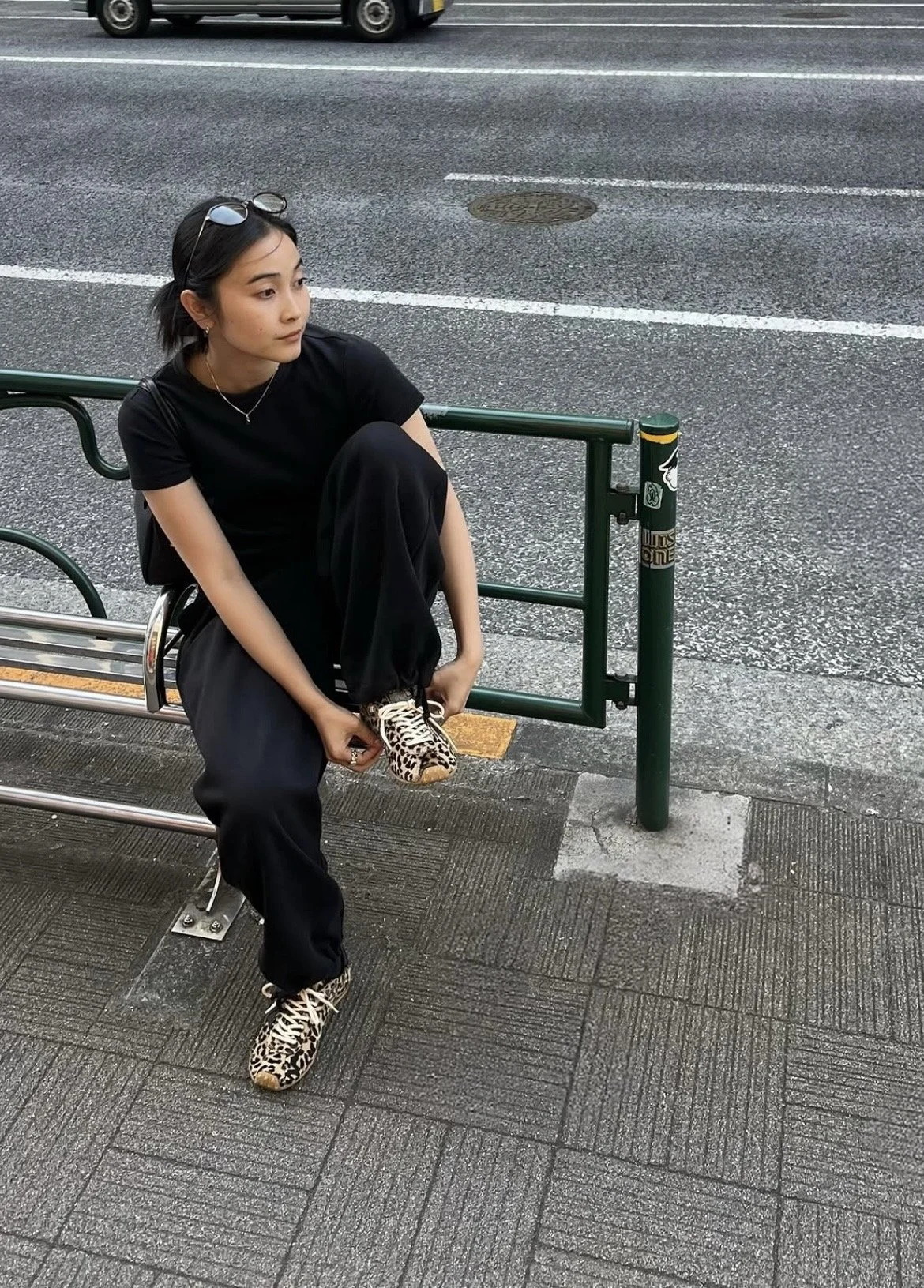
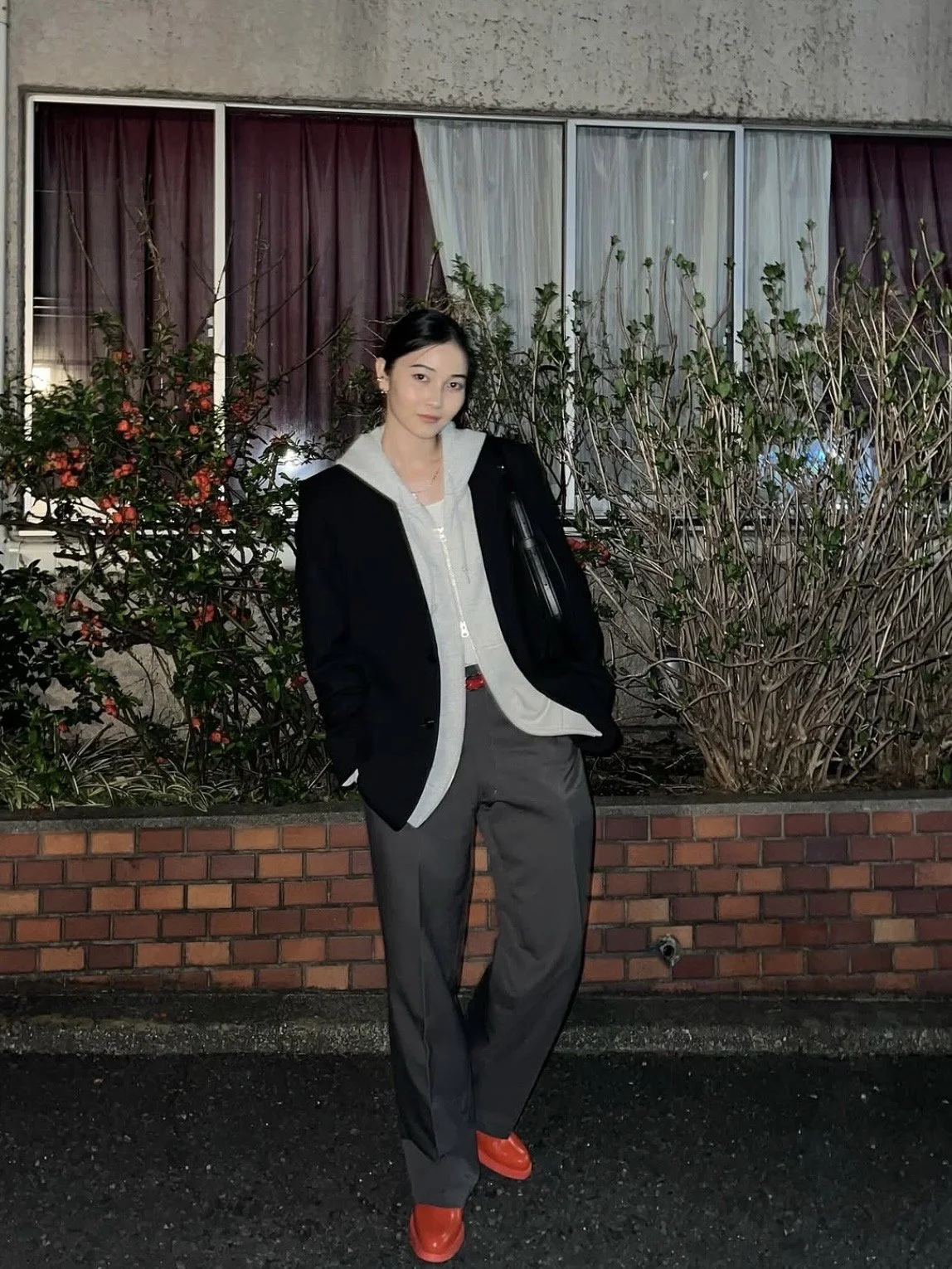


On the other side of the spectrum, you have the more cutesy (you’ve probably heard of the word kawaii) aesthetic—the most common style in Japan. While it’s not an aesthetic I personally ascribe to, it’s worth acknowledging that this is where you’ll find the majority of the population hanging out.
This category is so large that it has plenty of subcategories, which would take a separate essay to dissect. Think young cutesy, Harajuku cutesy, mom-cutesy, pared back cutesy… You get the picture.
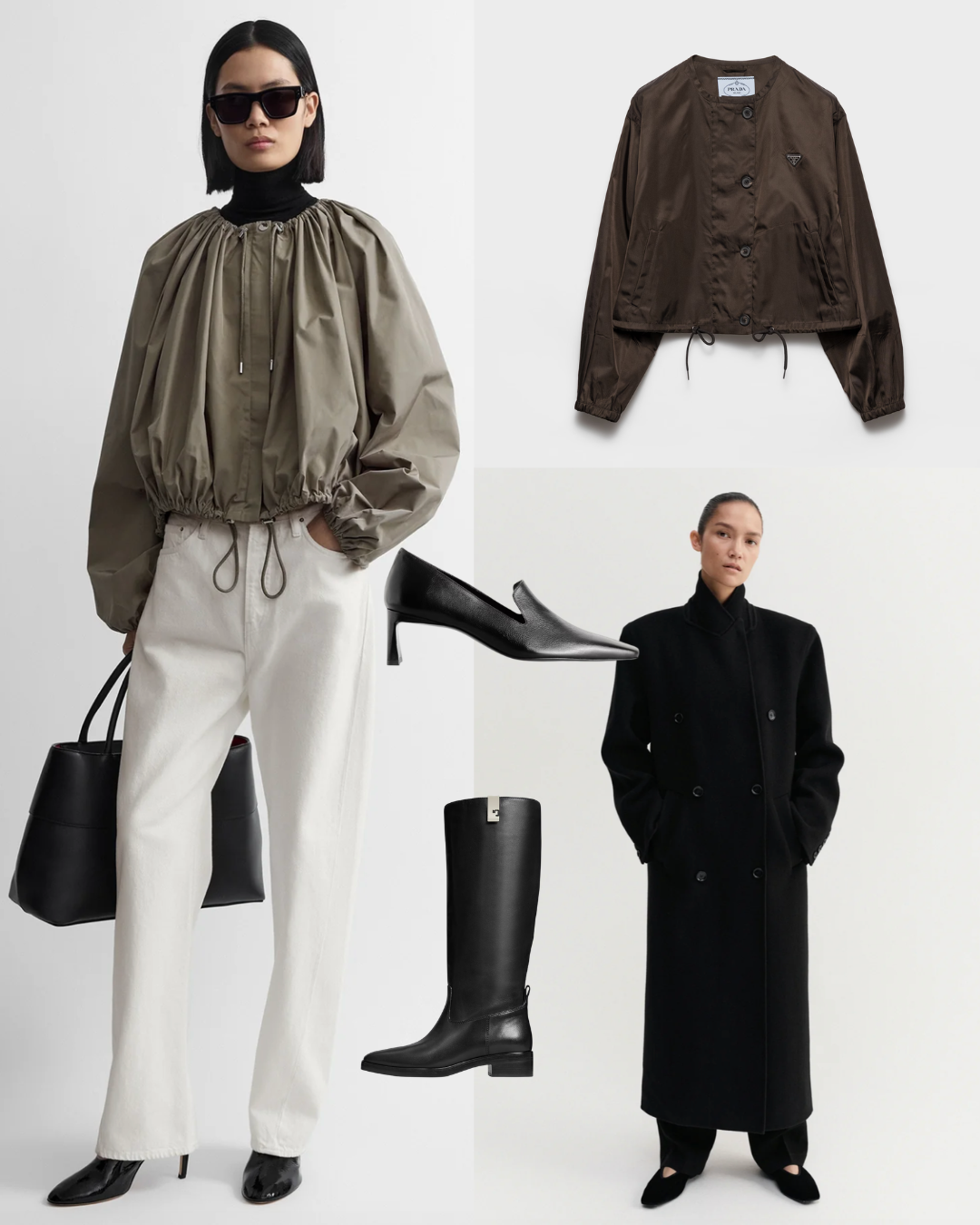
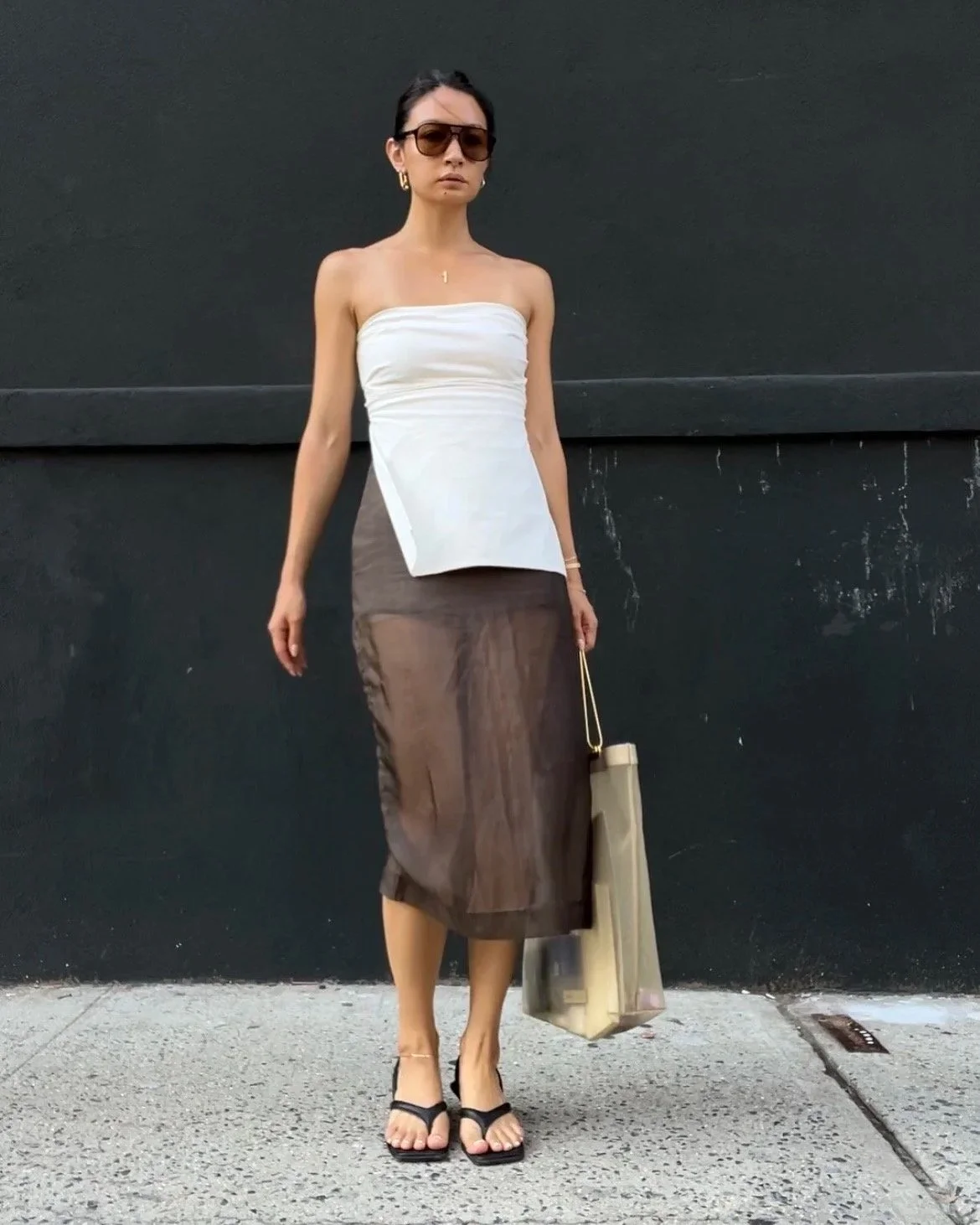
Then, of course, there’s the Japanese style that Westerners praise the most, and that’s the clean-cut minimalist style. The irony here is that a lot of the popular brands in this category come from America or Scandinavia. You’ll find a lot of pieces from Lauren Manoogian, Róhe, The Row, and Toteme hanging in these closets. But of course, famous Japanese brands like Auralee, Issey Miyake, and Sacai, are loved and worn too. Smaller brands like Todayful, Hanne, and Feepur are rising in popularity as well.
I, too, am most drawn to this aesthetic. Perhaps a combination of Japanese street style and minimalism is where I thrive.
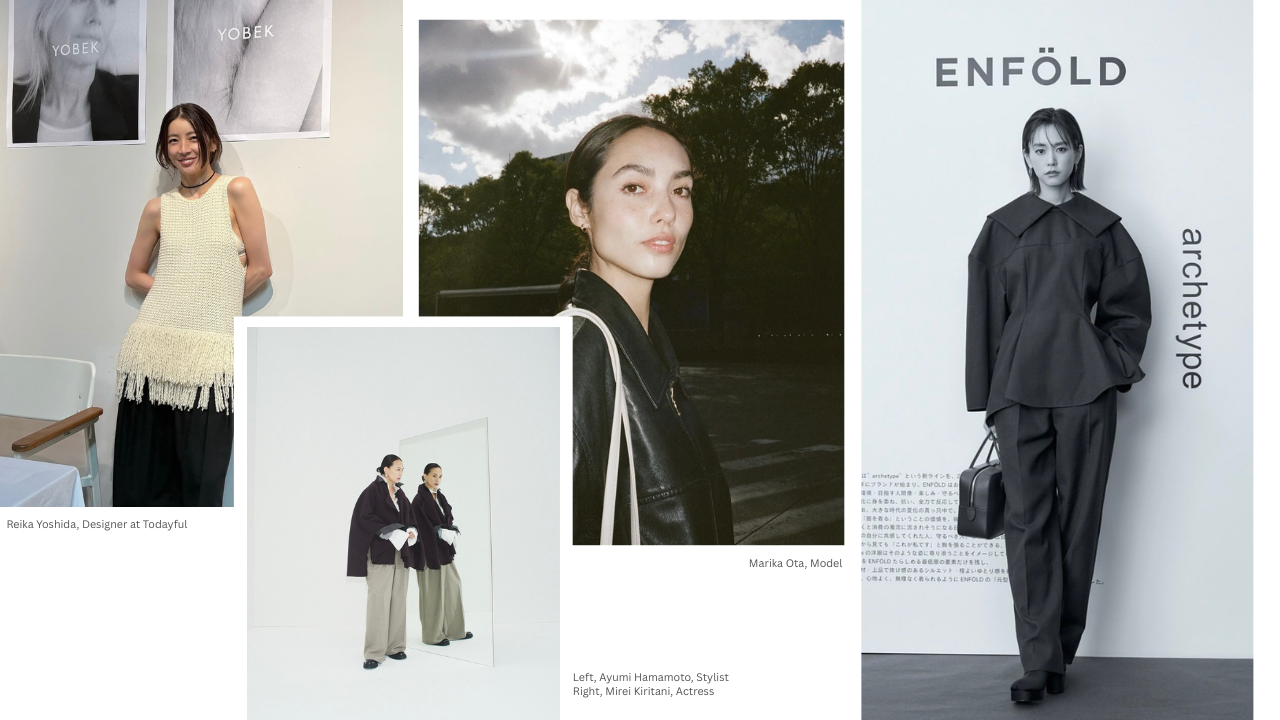
What Japan isn’t, though, is the emperor of minimalism as the West often imagines it to be. I’m not entirely sure how this aesthetic became the dominant interpretation of Japanese fashion, but when I think of Japanese style, minimalism is more like the fourth or fifth thing that comes to mind.
I once asked Claude what a Japanese-laced magazine based in New York (that would be this here, Florré) might look like while establishing my brand ethos, and it gave me a long paragraph on minimalism, feelings of zen, and creating white space. I was quick to call out that practically none of the Japanese fashion magazines adhere to such an aesthetic. Quite the opposite, Japanese magazines are some of the flashiest, loudest, and most commercial works of art you’ll find. Even Elle Japan, compared to American Elle, looks entirely more colorful and vibrant.
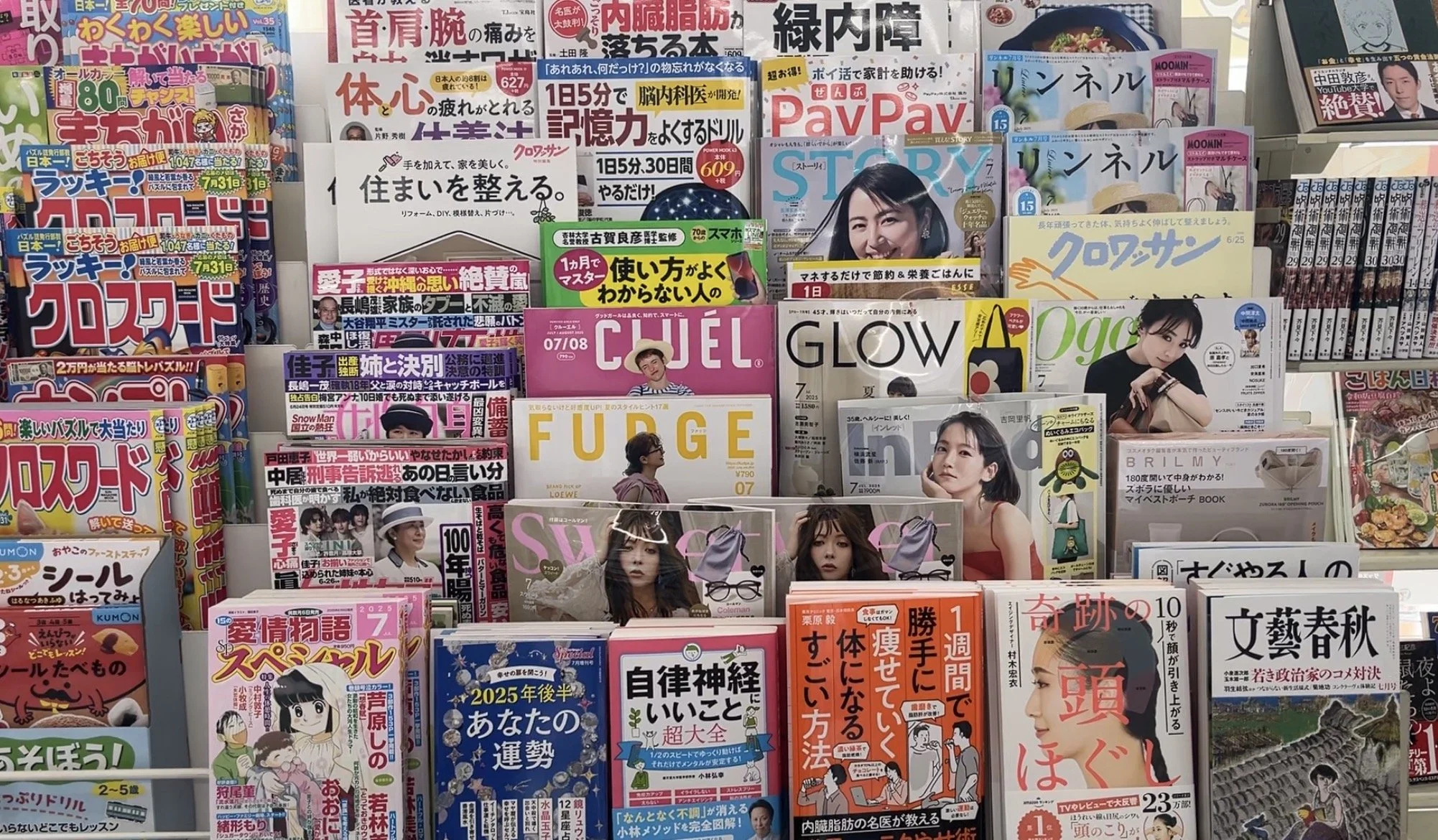
There are people online with no real connection to Japan confidently lecturing others on the history of Japanese fashion. To me, it’s often obvious when someone has done surface-level research, maybe visited Tokyo once, and then picked up a mic to talk about “ma” and Rei Kawakubo. They tend to fixate on a hyper-niche corner of Japanese fashion that most Japanese people themselves don’t consciously think about—or they flatten it into something that loses all nuance.
Where they find the confidence to do this, I have no idea. But it made me realize that if I want people to understand Japanese culture and fashion in a more authentic way, it may as well come from someone who grew up with it and went on to work in fashion (me).
It gives me great joy to see the world embracing Japan, finding everything from our culture to our language and our fashion fascinating. I get mixed feelings, though, when people with no real understanding of its nuances spread information that doesn’t feel completely true. So here I am, hoping to iron out some of those kinks.
I’ll end this essay with a post I made on Substack a while back: “Wearing clothes you don’t like will kill your spark and dull your personality.” I may not feel comfortable being painted as one of your French girls, but style me as the Tokyo girl and I will thrive.
With love,
-B