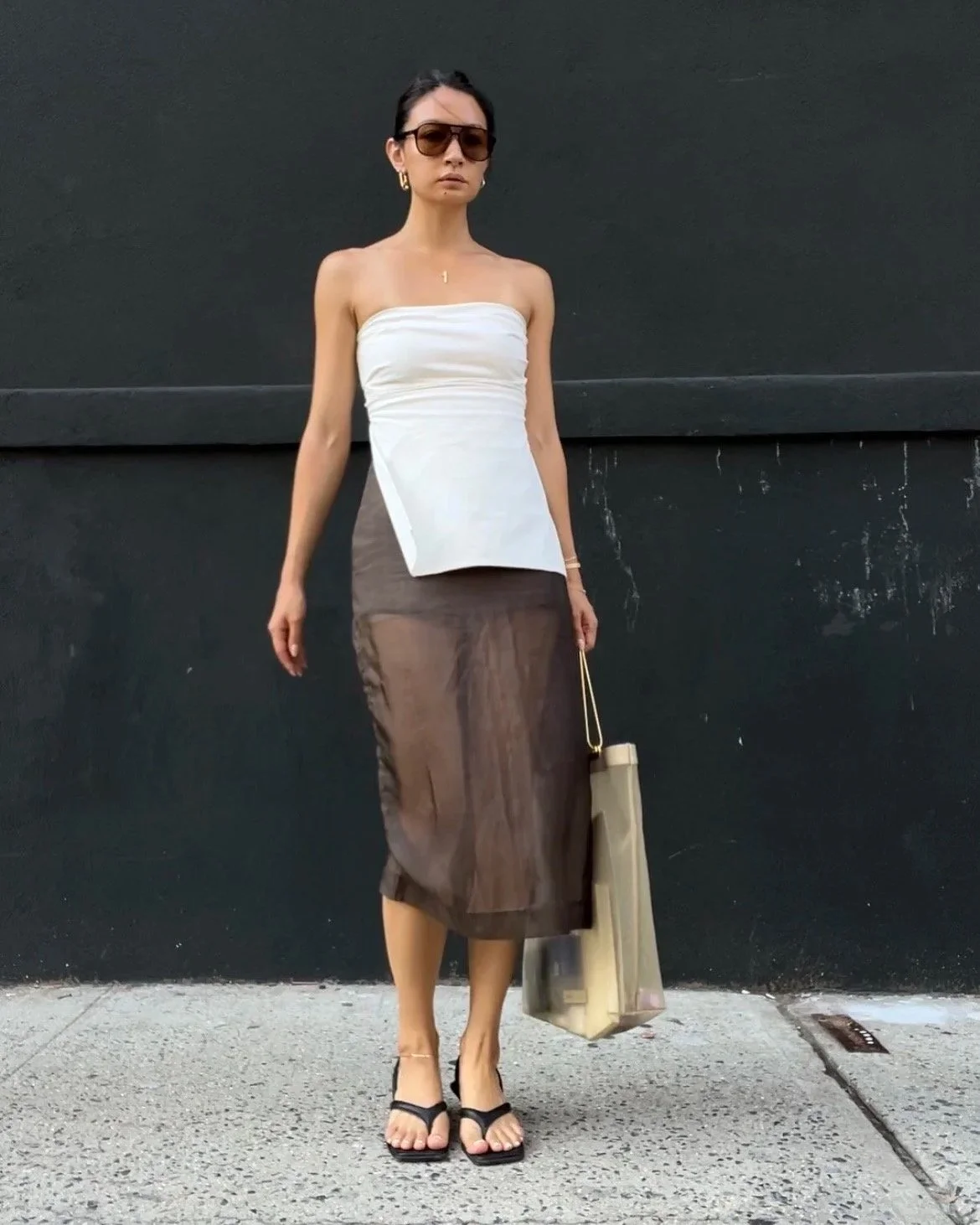
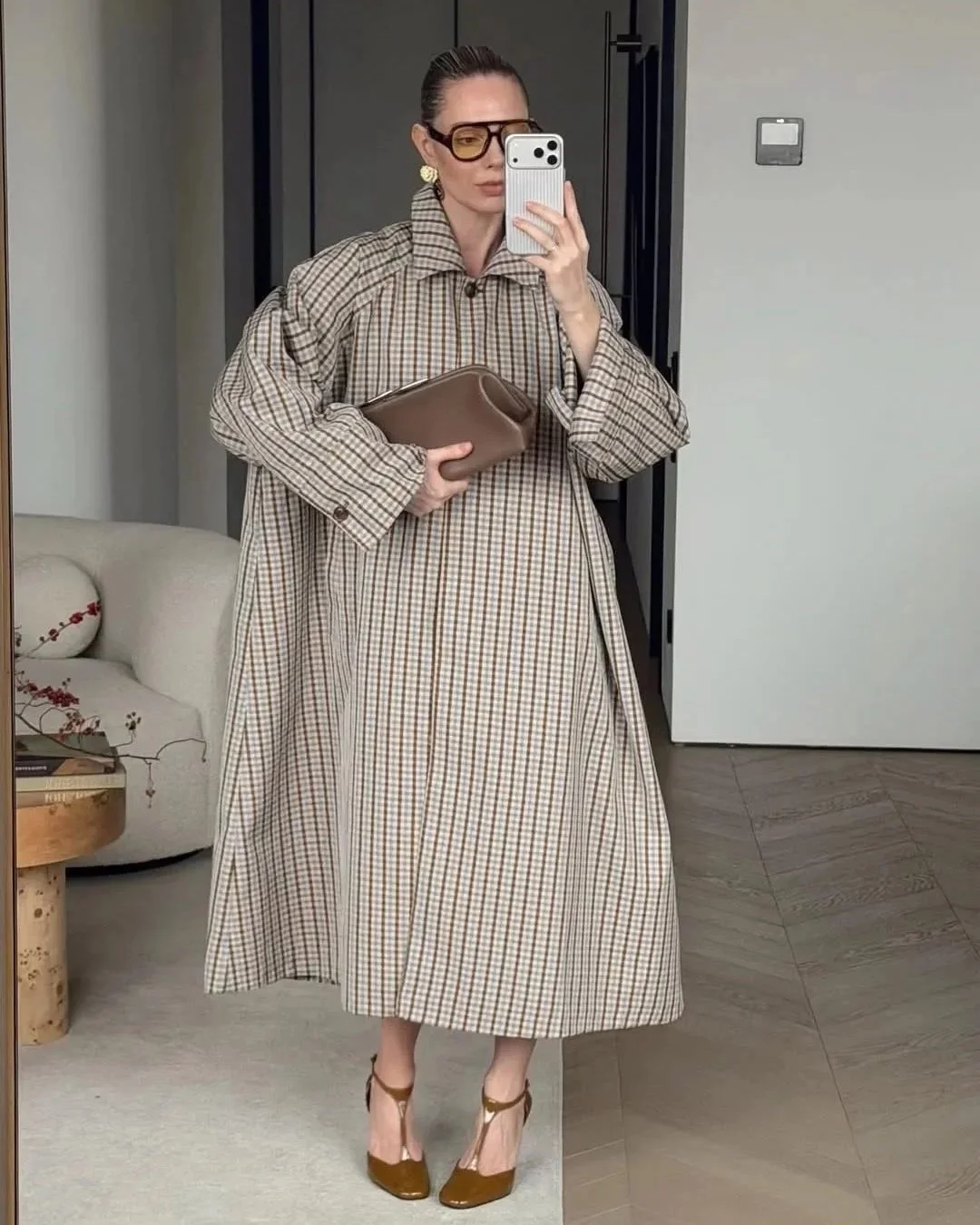
Taste as a Form of Currency in 2026
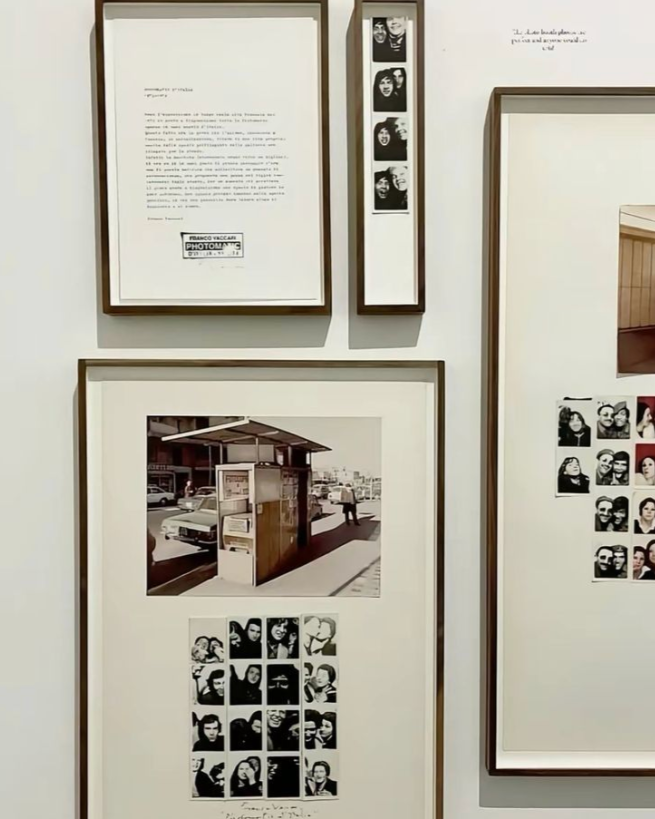
PC: Pinterest
I get a funny feeling when people tell me that all creative jobs will be replaced by AI in the future. I’ve always known that robots and machines will take over manual labor at some point, even before AI joined the scene. I have long trusted technology to do certain jobs for me that were once handled by people, like filing my taxes or speeding up the check-out process. I even love Grammarly for pointing out obvious mistakes in my writing—something an editor would normally have to do. But if it’s one thing technology could never do in place of a human, it’s creating art.
Art, whether that’s a painting or a photograph or a work of fiction, comes from a uniquely human emotion. Art is shaped by someone’s specific taste, a manifestation of all the colors, heartbreaks, sights, travels, and friendships they’ve experienced.
My tech-obsessed father always reminds me to consult ChatGPT whenever I’m writing an application or sending out pitches. And while yes, I do at times pass my writing through Claude or ChatGPT for a quick proofread and polish, it’s not where I would go to generate ideas, source clothes, or whip a sentence together.
I have to—and want to—trust my own taste in those three areas. I have to—and want to—believe that people desire a connection to the art we create from our singular experiences. I want people to opt into my specific taste.
It’s the only thing I have to offer in this world. It’s my single most valuable currency. It’s what I want employers to buy into and readers to tap into, the only thing that can’t be generated by AI.
My mother has always taught me to trust my gut, and I do believe that the communication between me and my instincts is really strong. So I rely on it to pick up on cues, to catch trends when I’m people watching. It will be months before ChatGPT even hears about it.
I’ve been thinking a lot about where my specific taste—likes and dislikes—first formed. I’ve never been to therapy, but I’m in the zeitgeist enough to know I should always consult my childhood for answers. And so I thought of my parents, first, and how much of their tastes influenced mine.
I like to call my parents Genießer—a German word that roughly translates to “enjoyers.” They truly know how to enjoy life. They’re coffee connoisseurs, enjoy a glass of wine most evenings, know how to shake up a Mai Tai, host dinner parties weekly, pick out glassware and serving plates like it’s an art form, go on what feels like 10 trips a year (they’re retired), and plant and replant flowers no matter how many times they die.
To them, life is a party, and it shows up in the way they laugh, decorate, or even pick out speakers for their music collection. As an adult now, I see so much of them in me. The way I source kitchenware or plate a meal comes straight from my mother. The way I march through foreign cities alone is confidence inherited from my father.
Then there are POVs I feel like I nurtured on my own. I’m the only one in my family who cares about fashion or notices how a garment is stitched. I prefer a warm-toned home with hints of brown and cream, whereas my parents prefer black-and-white modern decor.
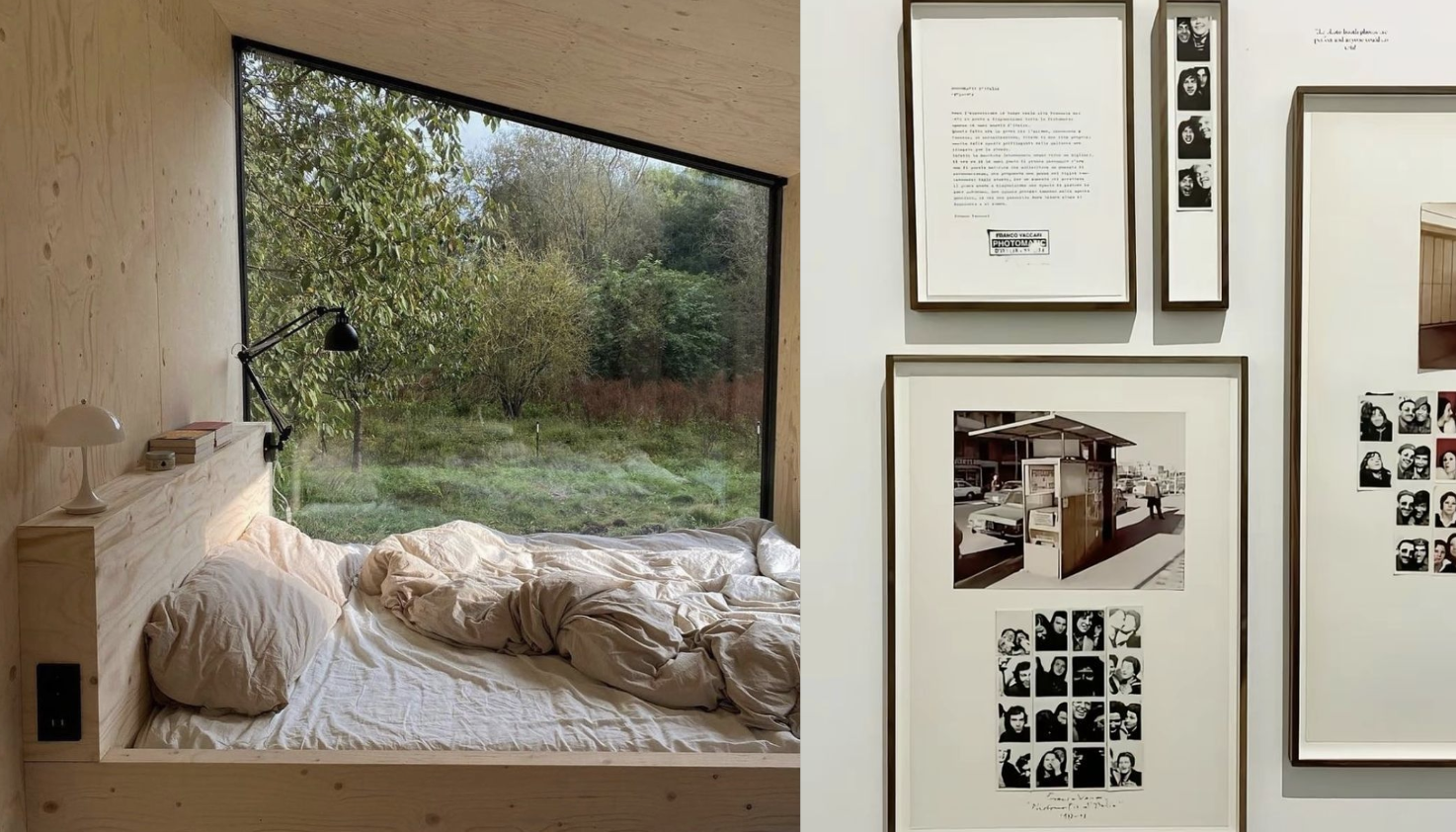
Their tastes are a rejection of their parents’ tastes, who lived in very old buildings filled with outdated decor and an antique collection. Antiques I now treasure as family heirlooms, meaningful to me only because they reveal something about my grandparents.
I wear my grandmother’s watch although it does not work. I have my grandfather’s paintings hanging in my kitchen and bedroom.
It feels like a full circle moment. My grandparents’ tastes are now in my consciousness, bleeding into the art I create.
ChatGPT has no such history.
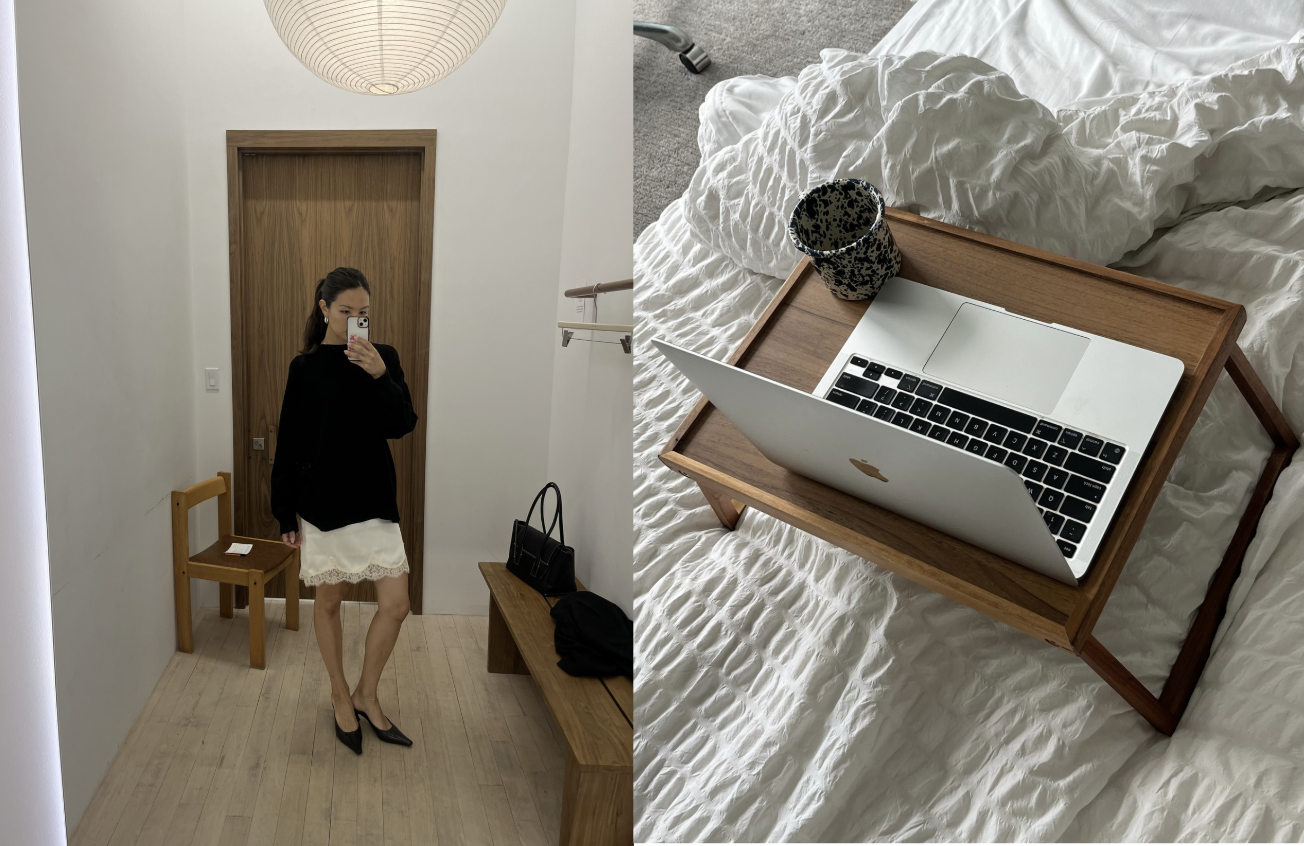
Chat didn’t come from a culture clash—from my father moving from Vienna to Tokyo to fall in love with my mother. Chat isn’t the outcome of Western and Eastern aesthetics colliding. Chat didn’t watch how my mother taught me piano. Nobody sent Chat around the world to collect memories or buy ceramics from tiny local shops—ceramics I now use to carry my hot black coffee while I sit and write this article.
Chat doesn’t write tipsy and edit sober. Chat doesn’t write better when it’s wearing its favorite skirt, or more inspired when it’s staring out the window in Lisbon.
I promise you Chat’s work is more polished, more buttoned-up. It definitely makes fewer grammatical errors and can structure an article better than a Yale literature professor.
But I wouldn’t trade my voice for the world. It’s the singular thing that makes me, me. It’s my way of seeing things that sets me apart, the thing that will let me connect with other people who may have come from similar backgrounds.
I’m not going to lie, AI has definitely made things hard for creatives. The industry I work in (publishing) has taken a serious hit. It has taken my job. I have come so close to losing my sanity. But when I think about what is left of me, should AI strip everything away, it’s exactly this: my taste. My unique POV.
There is a world that I paint that can only be created with the colors mixed by my parents, their parents, and everyone who came before them. That painting is worth a million bucks to me. I hope it is to you too.