Why You Shouldn’t Buy Ceremonial-Grade Matcha For Your Lattes
PC: Pinterest
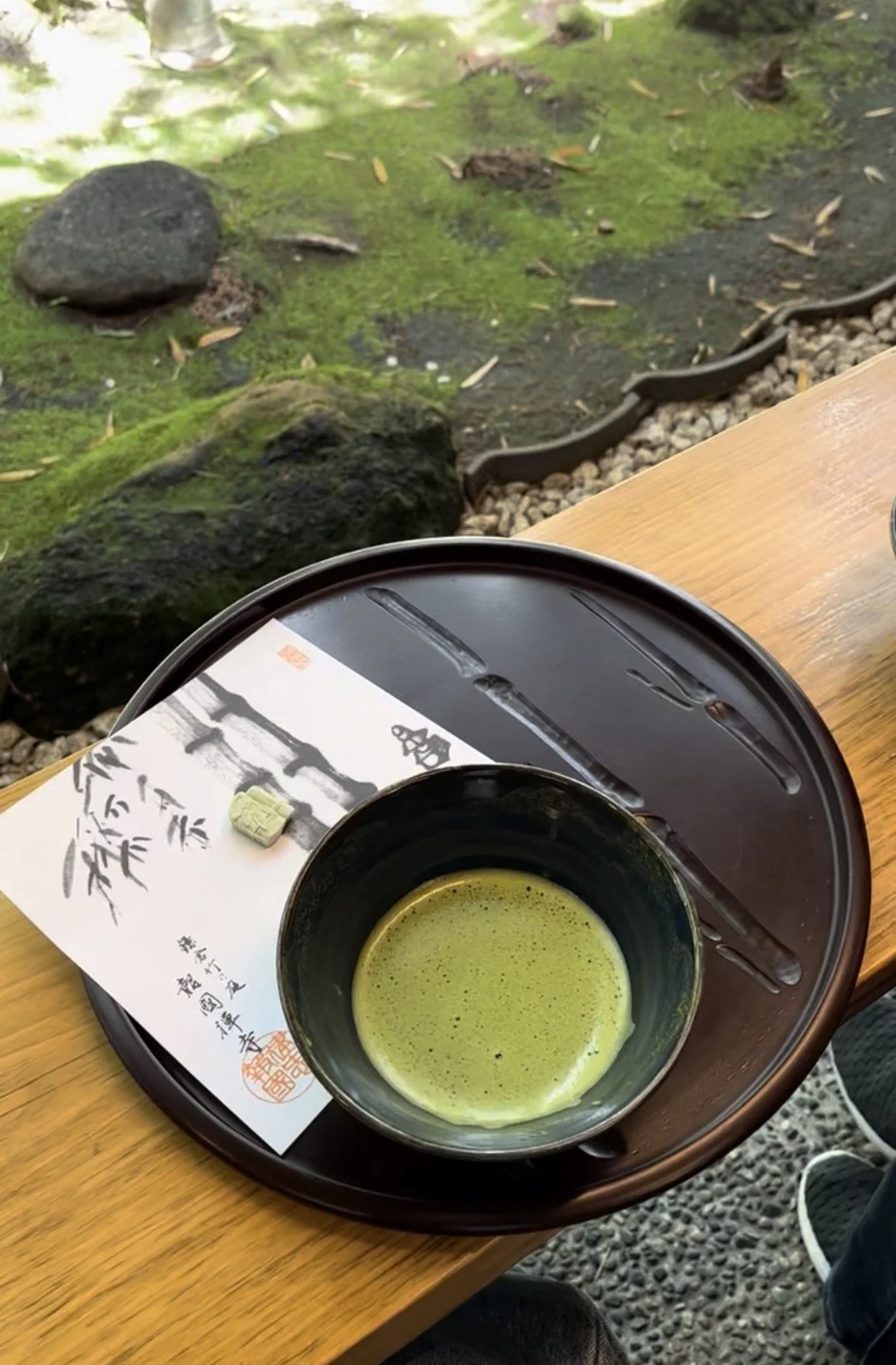
My former grandmother’s caretaker, who is also an elderly friend of my mom’s, and I have a tradition whenever I come to see her in Kamakura, Japan. We visit the matcha tea house hidden inside a bamboo forest, and catch up on life. Now already well in her 70s, she teaches me each time how to properly receive my matcha, in which direction to rotate the bowl, and to clear my mind before bringing the rim to my lips. She scolds me if my eager fingers go for the little higashi sweets too soon, which are there to balance out the bitterness of the ceremonial matcha.
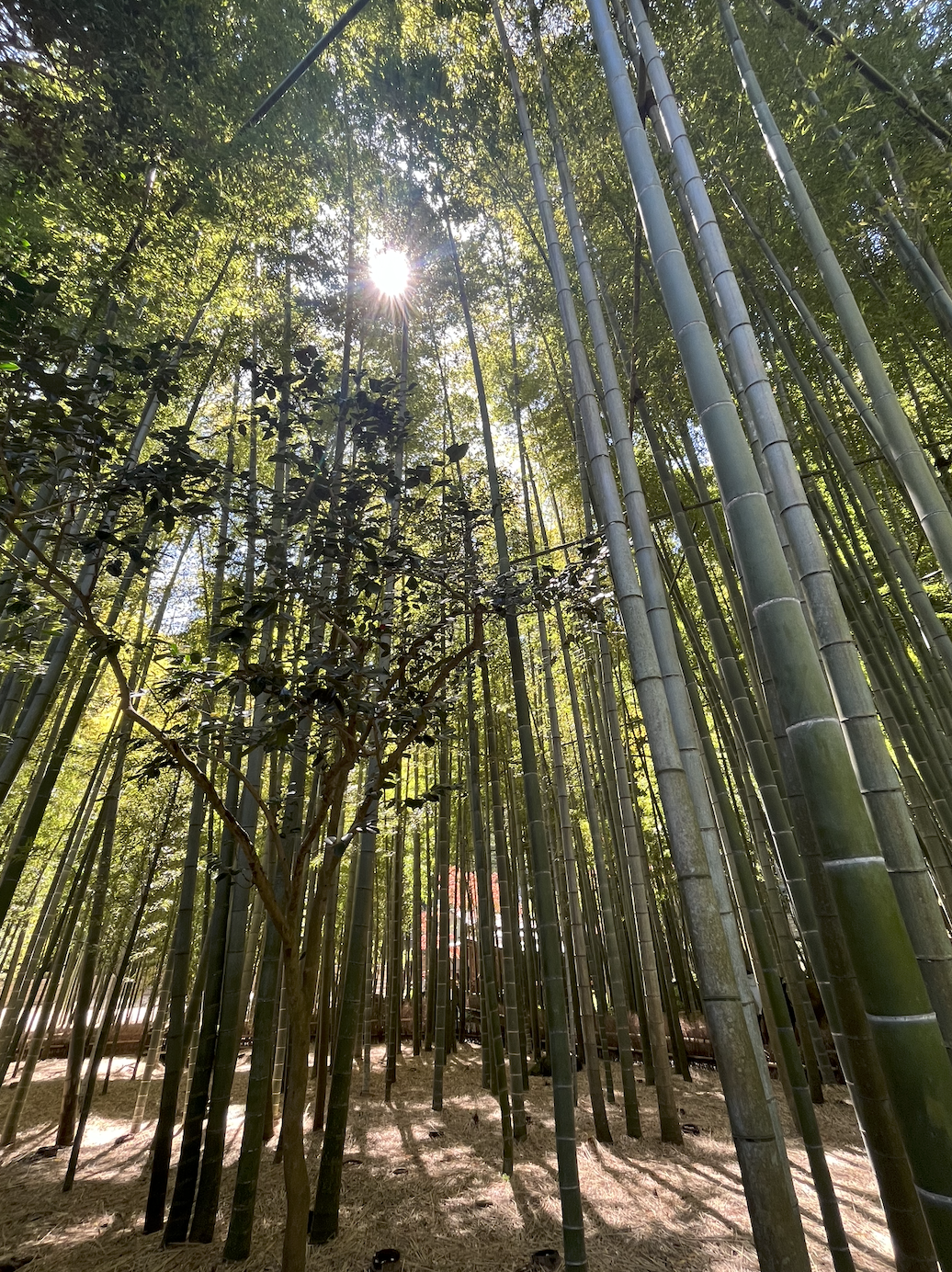
We sit side by side, sometimes in silence, and look at the calming lineup of bamboo trees, which have been growing there for over 690 years.
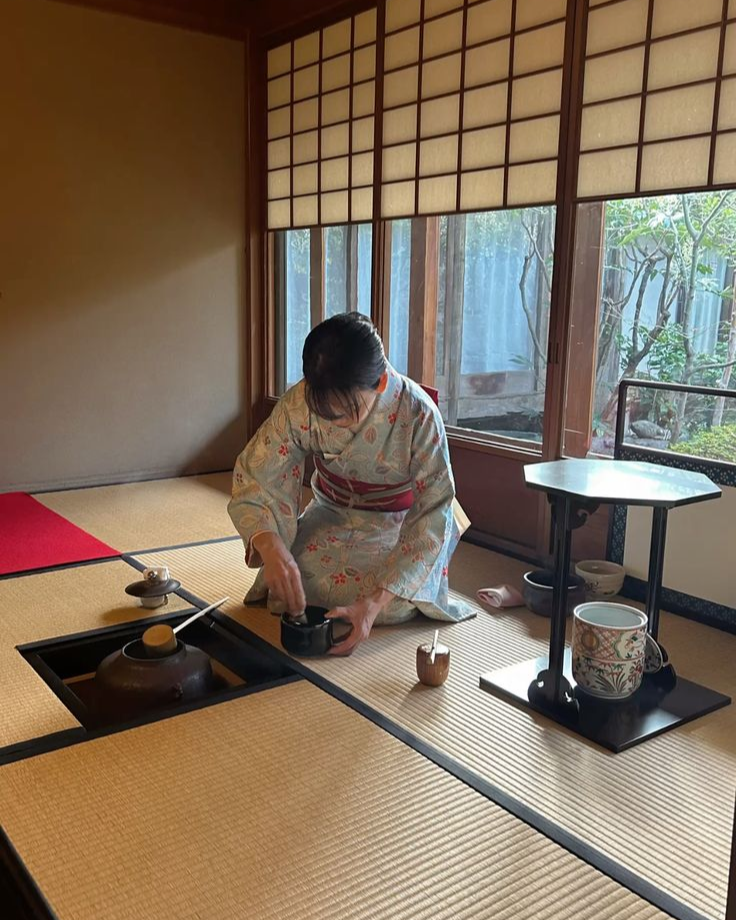
Many of you may be reading this assuming it reflects the traditional way of drinking ceremonial matcha, but it is actually Japan’s modernized way. In its most traditional form, the experience would involve wearing a kimono, sitting on tatami mats, and being guided through the ritual by a hostess.
Ceremonial-grade matcha, which is grown slowly in shaded areas in low quantities, is reserved for these experiences. It cannot be mass-produced, and unlike premium or culinary-grade matcha, has a very fine texture, low bitterness, and a smooth umami flavor. It is intended to be enjoyed on its own, whisked with water.
With the world experiencing a matcha boom, TikTok influencers showing how to make matcha drinks or even starting their own matcha businesses, plenty of foreigners have come to believe that the best matcha to have in their milky beverages is ceremonial grade. But these supplies are limited and difficult to produce. Uji, Japan’s “matcha capital,” is experiencing an obscene influx of foreigners who stampede local stores to empty out shelves, nose-diving for the highest quality matcha and reselling it in their local countries.
According to a BBC report, inventory was emptied within five minutes of store opening.
“A diminutive Japanese store worker tries to restock a shelf, but she barely places a tin down before it is eagerly snatched up in the throng of tourists. She is swarmed on all sides by grabby arms, and some people even reach directly into her basket to snag canisters of the precious powder. She yells out in Japanese, but her message is lost on the foreign ears surrounding her.” - Marina Wang, BBC
The stores in Uji do not separate their stock for foreigners and locals. These stores have been serving traditional tea house owners all across Japan, who host matcha ceremonies as part of their livelihood. When foreigners come to clear out shelves only to use ceremonial-grade matcha for sweet lattes, it diminishes supplies for local businesses and people who wish to enjoy it in the traditional form.
It is pointless when the delicate flavors in high-quality matcha are lost in a milky beverage. Japan produces premium and culinary matchas for this use specifically. They are better suited for casual drinks, produced in a way that complements milk or baked goods. Why, then, does the western public insist on using ceremonial-grade matcha? The quality is not any “better,” it is merely a different flavor profile.
"Matcha is the highest grade of tea and it's so special to us. So there's a bit of a contradiction when I hear stories about how it's resold or used in food," says Atsuko Mori, director of Kyoto-based Camellia Tea Ceremony, in a BBC interview.
Simona Suzuki, who is the president of the Global Japanese Tea Association, adds that "we have heard reports of ceremonial matcha being used for lattes and smoothies, which can reduce the availability of high-quality matcha for those who wish to enjoy it in its traditional form. Our hope is that foreign tourists will consider the intended use when purchasing matcha."
When I read reports of tourists swarming Uji for the highest quality matcha, elbowing one another and disrespecting the store associates, I can only think of the irony of it all. The practice of enjoying matcha is centered around a pure heart. It symbolizes slowing down, peace, and harmony. It is deeply rooted in respect and meant to be enjoyed in a calm and serene environment.
Japan welcomes the interest and love for matcha, but wishes for the public to remember its origins. It is entirely possible to enjoy a little matcha ceremony from the comfort of your home, and let the grounding experience be whatever you wish! It is the perfect place to enjoy ceremonial-grade matcha, consumed in a bowl with nothing but hot water.
For everyone else who, like myself, love a little matcha latte on a hot afternoon, the proper and respectful matcha to choose is premium or culinary matcha. Allow the locals to have access to the ceremonial-grade matcha, for, well, ceremonies.