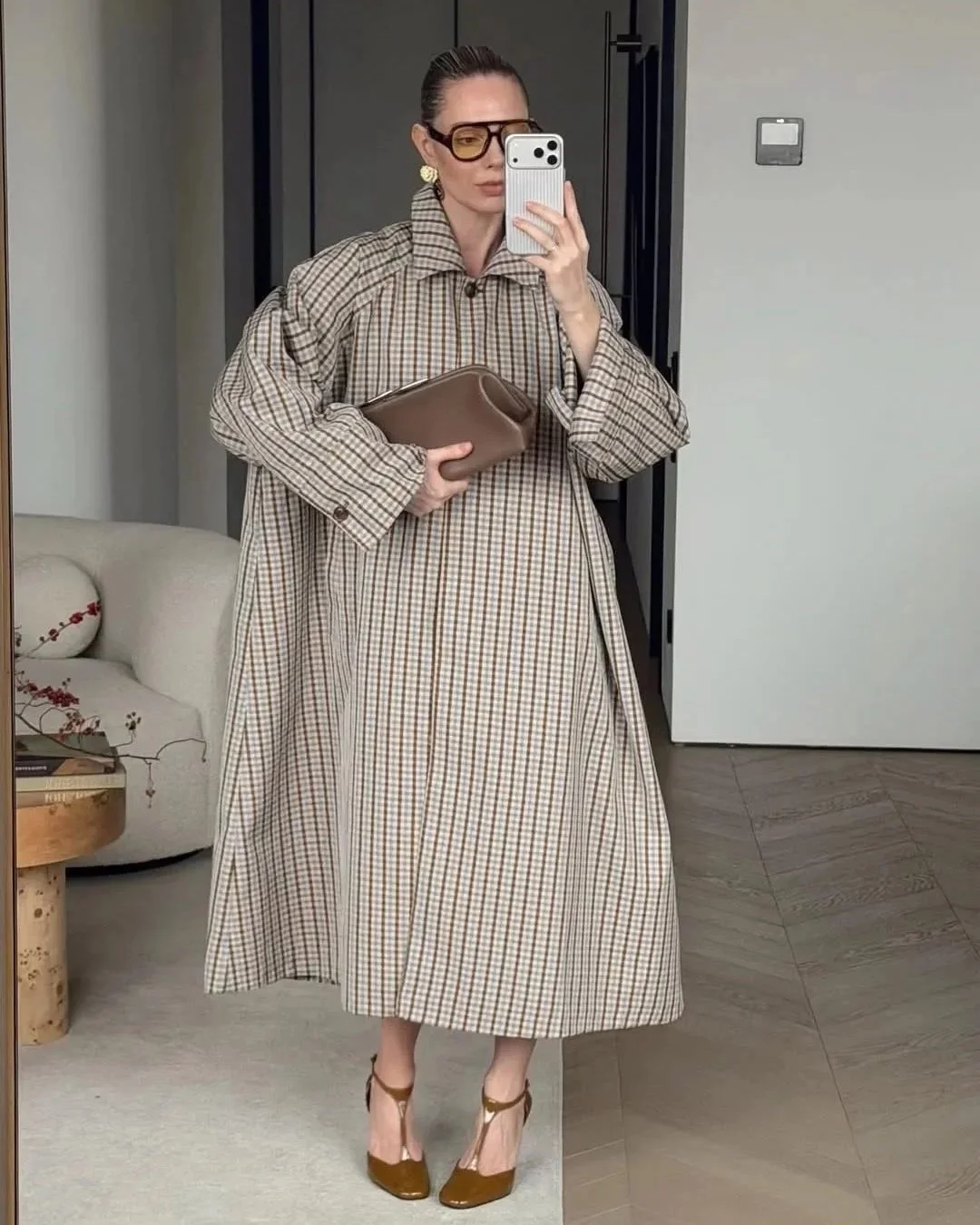
What Japanese People Wish You Knew Before Traveling to Japan

PC: Florré
There is this scene from Billions, where a character named Mike Wagner is seen eating at a sushi restaurant, before confronting (and eventually yelling) at other Americans for their lack of sushi etiquette (watch it here). Now, most people viewing it might praise him for “checking” the other Americans who are disrespecting sushi culture. However, a Japanese person would view Mike as the offender. The real crime here is his disruption of peace. His yelling in a restaurant, profanities on top of that. He’s starting a fight from across the bar, raising his voice, and disturbing other guests. THAT is what is wrong, and the thing that Japanese people dislike the most… we care less if you douse your sushi in soy sauce.
Never, in my 30 years of living, has Japan had this much widespread attention before. Growing up, few people mentioned Japan, let alone visited it. My family and I lived in our happy little bubble—a small community of Japanese families that resided in New York as either expats or transplants. We’d go back to Japan once a year, visit family, stock up on goodies, and return home. In those trips, I was made aware of just how white I was. With an Austrian father, I looked about as foreign as it would get on the streets of Tokyo. People would not know what language to speak to me in, and automatically panic at the thought of potentially needing to speak English (mind you, I speak fluent Japanese as it’s my mother tongue). This was the case up until as recently as 2018. But that’s all dramatically changed now.
The world has taken a staggering amount of interest in Japan. My country is on every “Top 10 Best Places to Visit” list, from Travel & Leisure to Condé Nast Traveler and every major magazine in between, and it’s been that way for almost a decade now. I’m no longer the only white person on the streets. Far from it, I’m actually received as one of the Japanese now (small win!). The first time I went back to Japan and saw other tourists, my eyes needed time to adjust to the unusual scene. I’ve only ever seen Japan as completely Japanese, so this was new to me.
Japan has its own thoughts and feelings about the surplus of tourists. While I love that people have taken an interest in our beautiful country, whenever there is such a sudden, large influx of visitors coming to a country with a completely different culture, there is bound to be some friction.
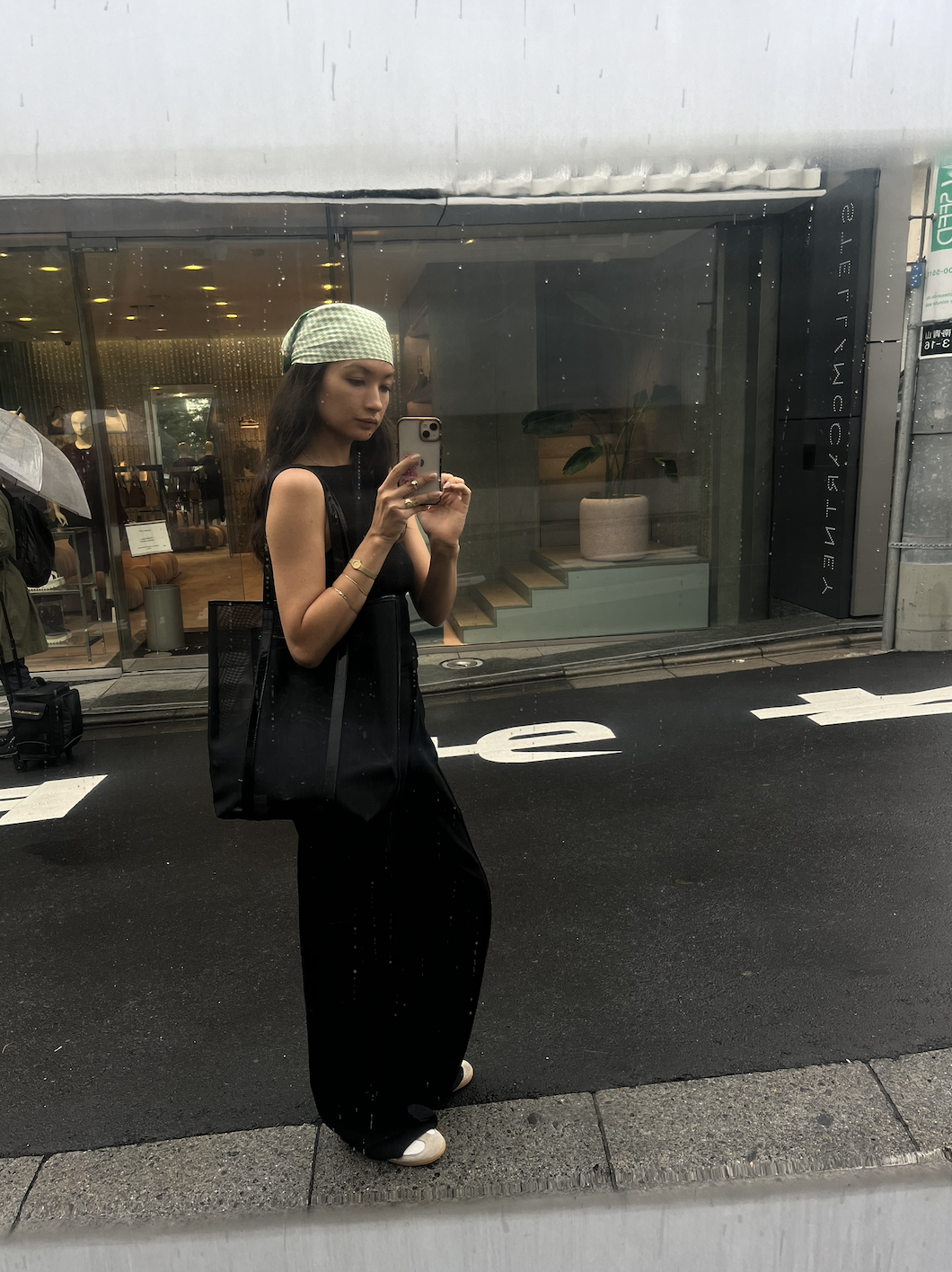
But Japan is unique, because its people will never tell you their true feelings. Which, ironically, leads people to believe they’re the sweetest, friendliest people in the world. When the truth is, they don’t like confrontation, and the expectation always is to read between the lines. “Japanese people are generally kind, so they'll answer if you ask them a question. However, not everyone is kind or nice, so let's stop having that illusion,” says my friend, who lives just outside of Tokyo. For Western communities, where it is the norm to be more direct, this can lead to a lot of misunderstandings. They hear: “I’m glad so many people are enjoying Japan,” when what that person really is trying to say is: “I wish fewer people came to Japan.” I know, it’s very confusing, and very tricky! It takes a trained ear to hear the difference.
So, I figured in order to help you understand the many nuances of Japan, I’d write an article listing out everything Japanese people wish you knew before visiting Japan. I interviewed Japanese friends and family who’ve been directly affected by mass tourism, so that we may all become better travelers. In the end, the hope is not to deter people from visiting, but to make it a more respectful experience for both parties.
Jokes and sarcasm don’t translate well
If you think the way to bond with a Japanese person is by cracking a cheeky joke, you’ll be met with a confused stare. Japanese people are some of the funniest people around, in my opinion. I love Japanese humor, but it’s very unique, doesn’t translate well, and is reserved amongst friends and colleagues. Classic western jokes like “must mean it’s free!” when you see something without a price tag, will only confuse the sales clerk. I had a friend who coined the term “American joke” whenever she didn’t understand a silly little jab that was being said.
Silence in public spaces, especially on trains and buses
The biggest shock to me was how loud foreigners would be on trains and buses. Clearly, no other person is speaking, yet it does not deter them from broadcasting their entire conversations. The biggest tip when visiting Japan: read the room. Look at your surroundings and match them. My friend adds: “Inside an elevator, no one speaks—we simply remain quiet.” This is a country that loves to conform, so you must be willing to fit in. We do our best not to bother one another, and the easiest way to do that is by being quiet.
Don’t sit around on the streets
People will look at you with disgust. I know, it looks clean in Japan, but sitting on a street while you wait in line for a store is a no-go. “There are people sitting down all over the street, but if you want to sit down, go to a park or a cafe; the street isn't a place to sit,” my friend chimes in. She also notes that people won’t correct you, as it’s not in Japanese culture to speak up. But please, you are not a monkey, do not sit on a sidewalk.
Do not touch things
Back in the day, Japan didn’t have signs that said “do not touch,” because it was a given. However, this is less obvious to visitors. Assume you are not allowed to touch unless otherwise stated, or you see other locals touching things.
Don’t assume you’re allowed to take photos of everything
Even in public spaces, even outdoors! And especially geishas. Japan doesn’t need you to do its marketing for them. As a matter of fact, it prefers to preserve things quietly. Consider it the country that pioneered gatekeeping (hence the lack of tourism until the Instagram boom). Appreciate things quietly and lock them into your memory. Many places have put up signs where photography isn’t allowed. You must follow these rules.
It’s also very important not to take pictures on the subway. Japan has a long history of molestation on the subway. Taking pictures in there can feel very triggering to women and may communicate something that you do not intend to.
You’re expected to take your shoes off and use a facial mask in the fitting rooms
This isn’t the case for all fitting rooms, but big department stores or distinctly Japanese stores will ask you to remove your shoes before entering a fitting room. They also often provide a little cloth that goes over the face, so that you won’t accidentally smear any makeup onto the clothes.
Be mindful of how much space you take up, especially with bags and suitcases
A common annoyance, my friend tells me, is how much space travelers take up in crowded spaces like the train. “Japanese culture prioritizes others over ourselves, so if you have a lot of luggage and get on a train, everyone tries to keep their bags from spreading out too much. Let's make sure we don't inconvenience others in public spaces,” she tells me.
“Occasionally, you’ll see someone plop down a large piece of luggage and prop their feet up on it—blocking the aisle so people can’t pass, or leaving dirty footprints behind. I really find myself thinking, ‘Please, just don't do that!’”
It’s rude to share a plate amongst two people, or not order drinks at a bar
While it’s common and quite normal to share a single plate amongst two people in America, this is considered taboo in Japan. Likewise, it’s rude to enter a bar just for the vibe and not order a drink. This is disrespectful to an establishment that survives on such business. “In Japan, there are many small restaurants, and it is customary for each person to order their own individual dish. Please refrain from sharing set meals or similar items. Sharing is generally acceptable, however, only at casual cafés or family restaurants,” my friend says.
Read between the lines
Japanese people rarely make direct comments. If they do, that means you’ve pushed it so far that they had no other choice. Typically, they resort to backhanded compliments and expect you to be humble enough to reject said compliment. For example, if they say “your child has great energy!” it means: “please shut your child up.” It’s a culture where you’re expected to read between the lines or read the air. As my friend put it: “You need social intelligence to get by in Japan.”
If you go to a sushi restaurant, don’t wear perfume
You can get kicked out of a sushi restaurant for wearing perfume. The scent will affect the dining experience for guests, altering how the sushi will taste.
Always pay attention to your surroundings and try to blend in.
The West might reward individualism, but Japan punishes it. Do not try to stand out, but rather, pay attention to your surroundings and try to match them. If nobody is climbing over a fence to get a pic, then best believe you shouldn’t either. If no one is dancing on the street, please don’t try it yourself. Do not disturb the flow, the peace, or the norm.
Adhere to the smoking rules; you cannot smoke everywhere!
Just because you’re out in the open air, doesn’t mean you can smoke! There are designated smoking areas around Japan, which you’re expected to use. These rules loosen up at night around the bars, but don’t try to be the first one to light a cigarette. See if there are others around smoking, and then go ahead if there are.
Don’t show too much skin or wear figure-hugging clothes
You will likely never spot a Japanese person in spaghetti straps or leggings out on the streets. These are considered undergarments, and people will think you look naked if you wear these out and about. This is a very conservative country, so covering most of the shoulders, chest, and legs is expected. Skinny jeans or figure-hugging dresses are looked down upon.
Try to take up as little space as possible
Because Japan is such a densely populated country, it prioritizes harmony, cleanliness, and peace in order to “survive.” Do not try to disturb this harmony by standing out, speaking too loudly, or even moving around too aggressively.
Receive things with two hands
Grabbing something with one hand can be considered rude. When the store clerk has finished ringing up your box of chocolates, receive it with two hands. In America, the customer may always be right, but in Japan, service is king. You will treat them with respect.
It’s Arigatougozaimasu, not Arigatou
“Arigatou,” the word for thank you, is very casual. You can use it amongst friends and family. But in the public space, use “arigatougozaimsu” or “arigatougozaimashita” to be polite.
It’s not about you, it’s about the community
Japan is a country where people follow the rules. Do not think you can be the lone wolf or the cool one out by doing things differently. When Covid hit, everyone wore their masks. There was no uproar, no left and right, no hero this and anti-hero that. It’s very straightforward because we live for the community, not for the individual instinct.