Everyone Loves Japanese Ceramics, But Can We Talk About Japanese Glassware For a Second?

PC: Florré, WINEX/HTT glass
My mother is a phenomenal chef. But beyond just her ability to whizz together ingredients, she has an artistic eye when it comes to food presentation. She hand-selects serving plates, dishes, and glassware, always preaching that the eyes must feast first.
If my mother is the chef, my father is the sommelier. He curated an impressive collection of wine and schnapps glasses, mostly from Austria (Riedel was his favorite brand), and always explained how the different shapes and thicknesses impacted the drinking experience.
They both instilled a deep appreciation for tableware in me, and it’s no coincidence that they both come from countries (Japan and Austria) that celebrate gastronomy with great enthusiasm.
Not long ago, The Row served drinks in Lobmeyr glasses at its post-show gathering, which received almost as much viral attention as the collection itself. The Viennese company makes very thin, hand-blown glassware, which I first came to love at my grandparents’ home in Vienna (who are also big glassware enthusiasts, see below).

My Grandfather’s Moser glasses
Seeing the Lobmeyr glasses made me realize how closely Viennese and Japanese glassware echo one another. While Japan’s ceramics are often praised and celebrated, I’m left wondering why the same type of enthusiasm isn’t felt for its glassware. It’s the first thing that catches my attention whenever I walk into a bar in Japan. It’s what made me spend $200 on two Kimura wine glasses six years ago—something so delicate I had to carry them by hand on the flight back to New York.
Kimura Glass is one of Japan’s most famous and popular glassware brands. You’ll find that most bars use them to serve their drinks. The majority of their glasses are handmade, and they’re instantly recognizable by their ultra-thin, delicate build. I find that drinking even the cheapest of wines in a Kimura glass turns the liquid into an exquisite refreshment.
There was a wine bar near my auntie’s home in Tokyo that I frequented often, which also served its drinks in Kimura glasses. The bartenders and I got to talking about the stemware, and they chuckled at how often they would accidentally break a glass simply due to its delicate design. They have to be hand-washed, and if there’s even the slightest bit of haste in your hands, they will snap.
That is what I love about Japan, though. It doesn’t matter that a single glass costs $100 and breaks once a month. It doesn’t matter that this bar is tucked into a tiny wall in a small suburban part of Tokyo and probably doesn’t get a ton of foot traffic. The dining experience is about the beauty, not the cheap convenience.
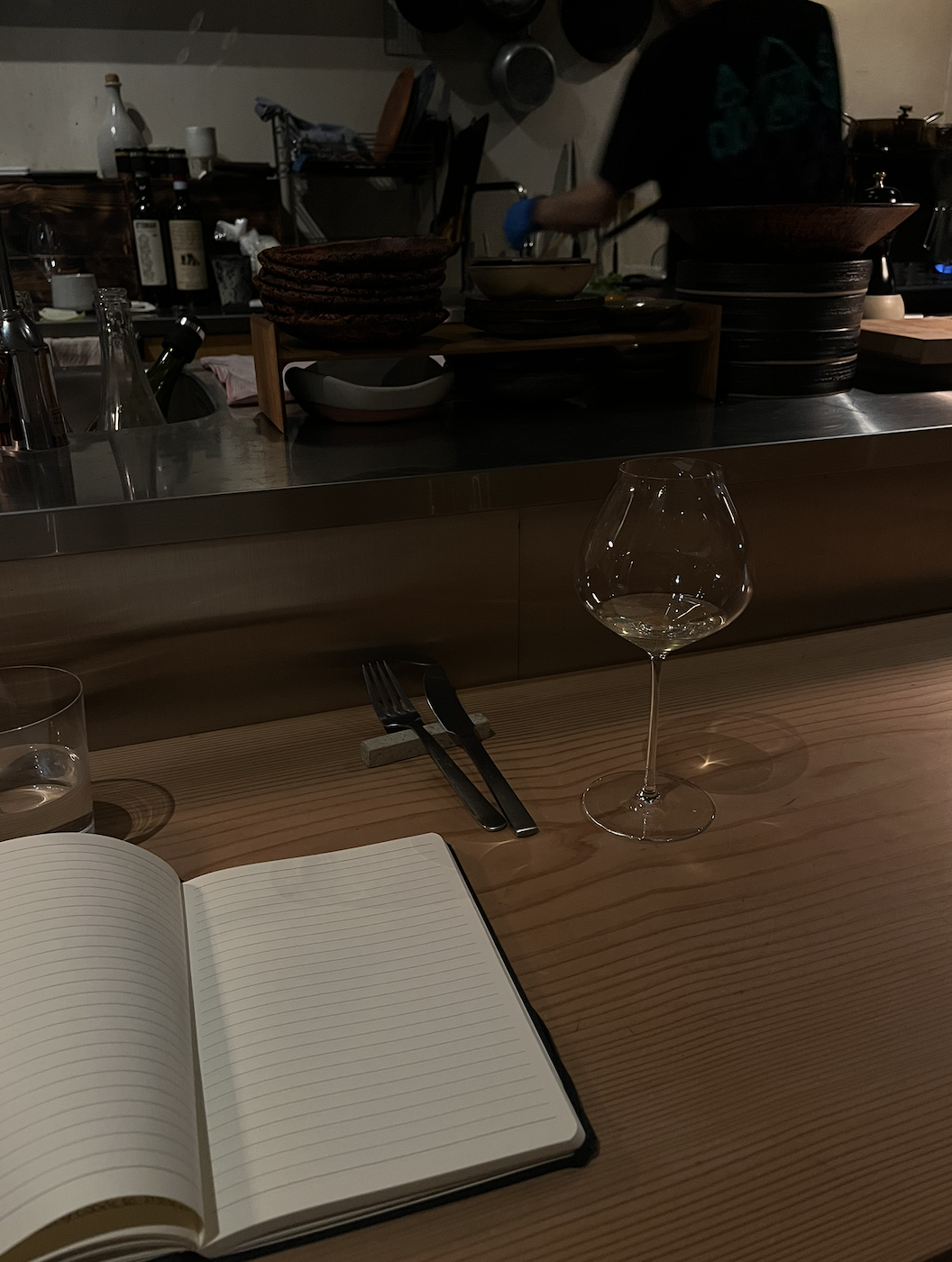
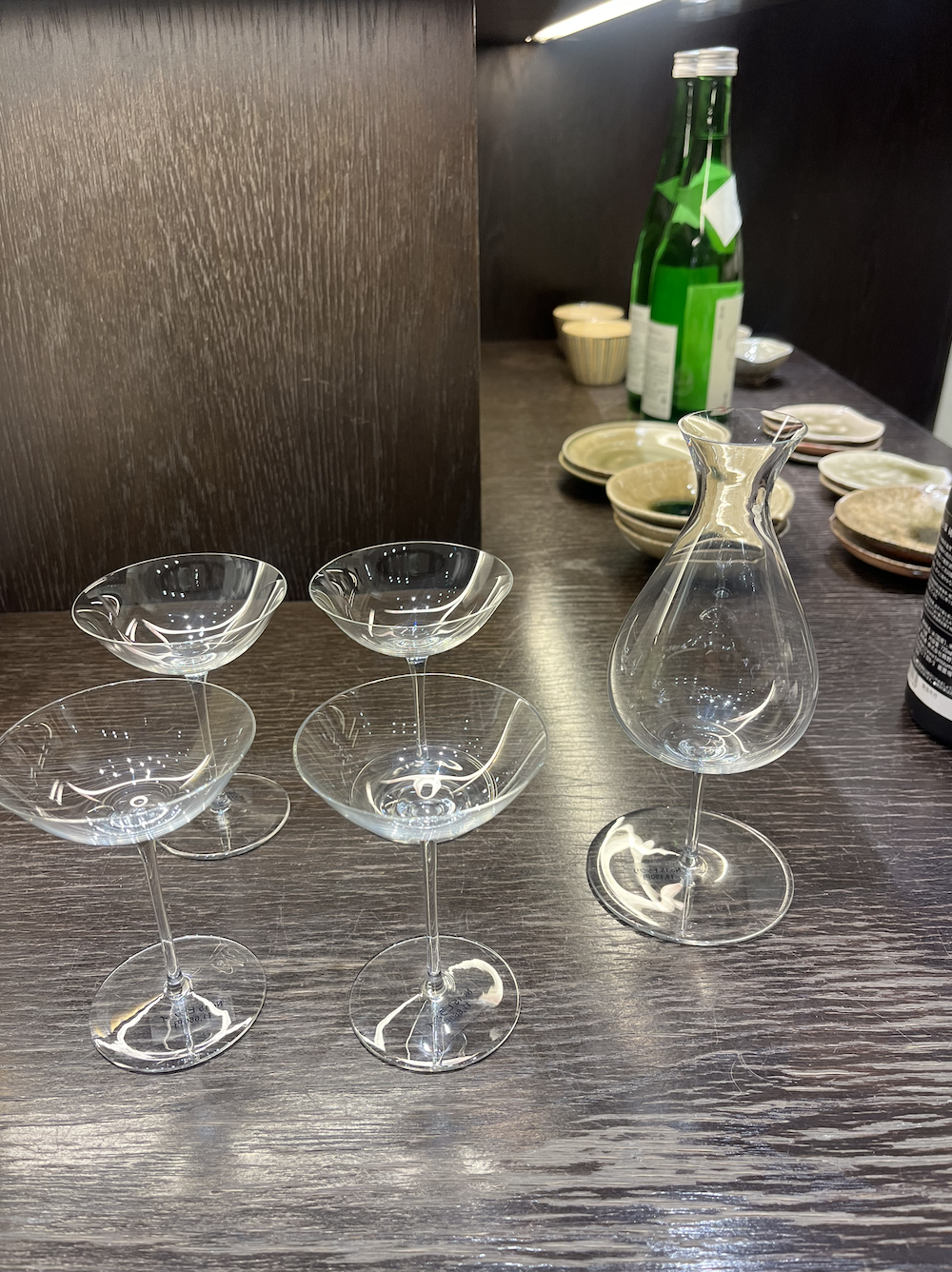
At another wine bar in Kyoto, I was sitting at the counter when the bartender asked me which natural wine I’d like to try today. I pointed at the Kimura wine glass displayed on the shelf behind him and said, “Whatever wine gets served in that glass.” He nodded in agreement and served me a crisp white wine that made me forget about the long day spent on my feet. Whilst sipping my wine, another beautiful silhouette caught my eye, one that I hadn’t recognized yet. I asked the kind gentleman once again if I could have my next drink poured in this newer glass, and he obliged. After a short chat, I learned that the maker of this wine glass is called WINEX/HTT, and it is actually made in Hungary (the glass is pictured at the top of this article).
The truth is, not all glassware used in Japan even comes from Japan. That’s because wine culture is not native to the country, nor are the cuisines most associated with wine (like pasta and steak). But it’s in Japan’s nature to pull inspiration from other cities, just to fine-tune what they import and give it a Japanese spin. By sourcing only the best glasses from around the world, they’ve created a certain prestige to their dining experiences that I can’t help but fawn over.
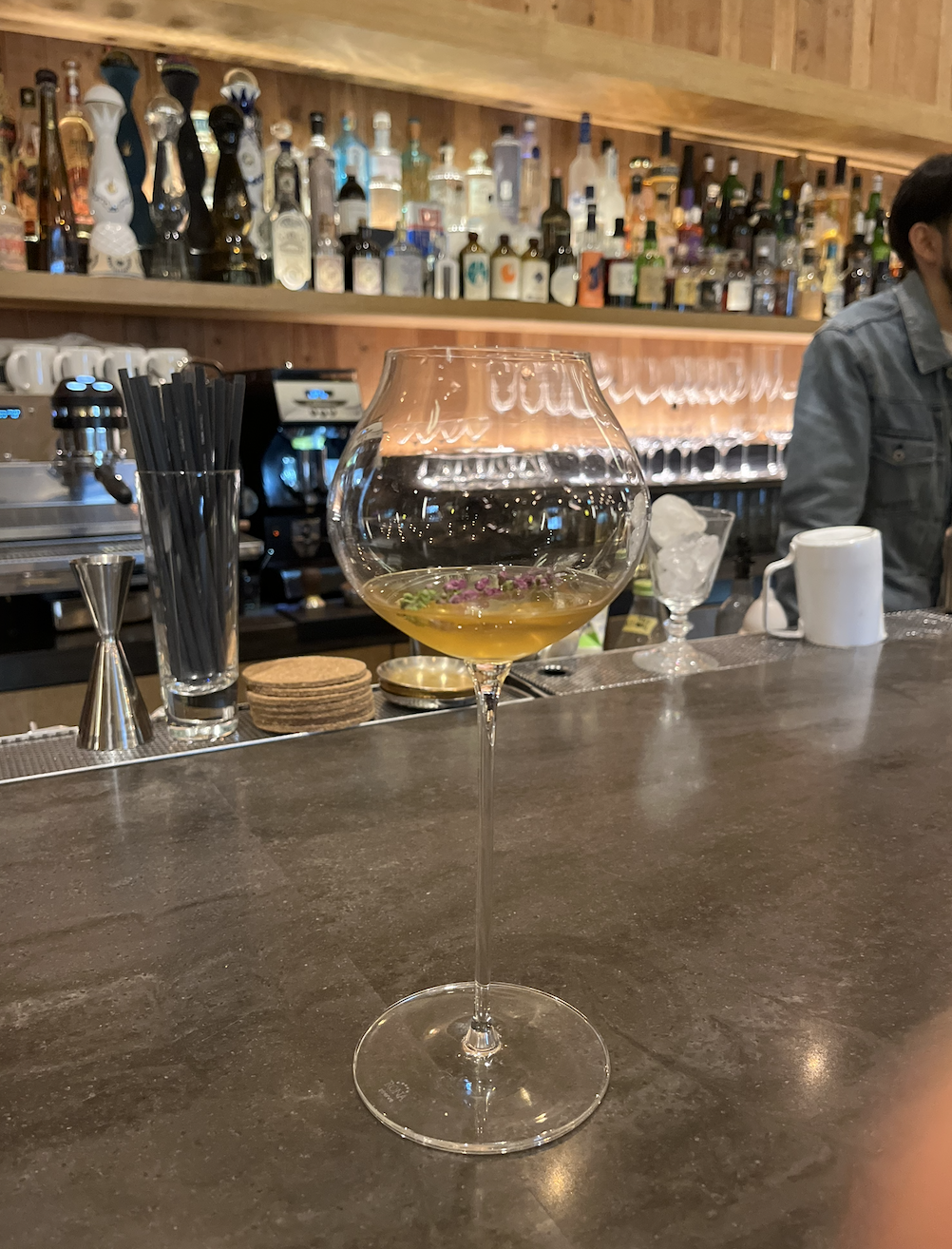
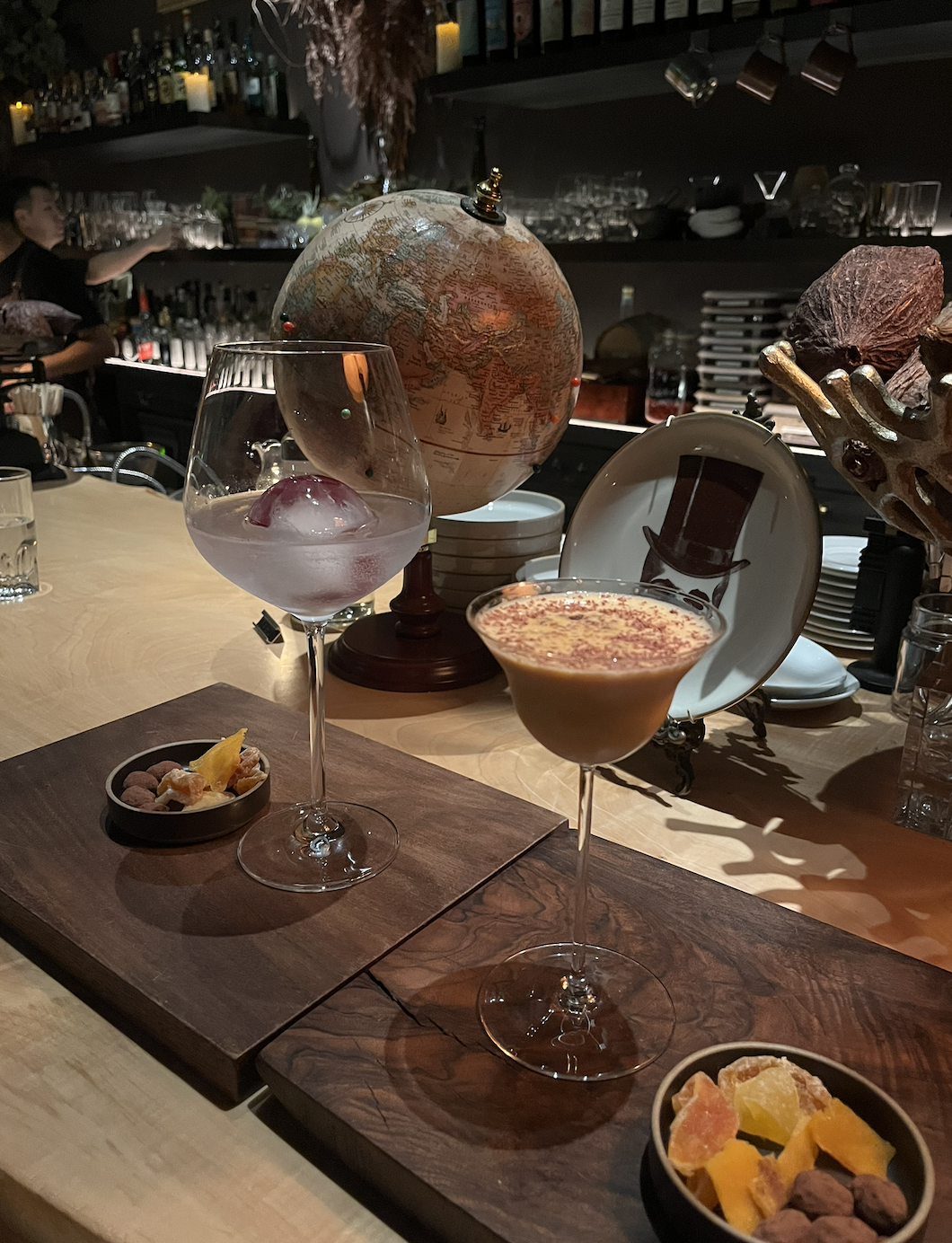
I collect pictures and names of glassware brands every time I visit Japan. I’ve been quietly making a list of glasses I’d like to own once I have a proper home of my own. I want the majority of my wine glasses to be from Kimura, some specialty cocktail glasses from WINEX/HTT, standard drinking glasses from Toyo-Sasaki Glass, and Rona flutes for champagne. Of course, a few Riedel and Lobmeyr glasses are a must-have, too ;)